0%

What Are the 2026 Top Pallet Racking Systems? This question matters as warehouses handle more stock, tighter schedules, and rising space costs. The strongest Pallet Racking Systems are not chosen by appearance alone. They must support safe loading, clear product movement, and practical daily maintenance. Selective pallet racking remains a flexible choice for varied inventory. Double-deep, drive-in, push-back, and pallet flow systems can increase storage density. Automated options may improve accuracy when labor availability and order volume justify their cost.

A reliable 2026 comparison should examine more than capacity. It should consider beam levels, upright strength, aisle width, forklift clearance, floor quality, fire protection, and inspection routines. Small details matter. A damaged upright can change the entire risk profile. Poorly placed labels can slow picking and create avoidable errors. Warehouse managers, engineers, installers, and safety specialists should review the design together. Their practical experience often reveals problems that a planning spreadsheet misses.

No ranking is perfect. A high-density system may reduce accessibility. An automated design may demand stronger maintenance skills. Even a proven layout can perform poorly when products change. For that reason, this guide compares leading Pallet Racking Systems through safety, flexibility, storage efficiency, installation demands, and long-term value. The goal is not to promote one universal answer. It is to help decision-makers match each system with real inventory, equipment, building conditions, and operational goals. Context matters. Always.
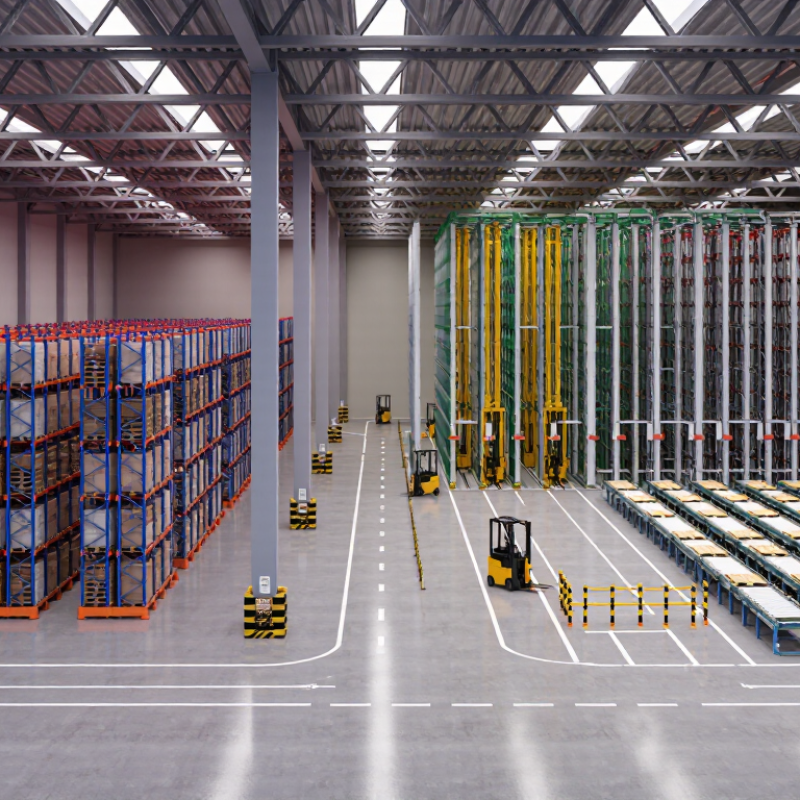
What Are the 2026 Top Pallet Racking Systems?

Pallet Racking Systems: Definition, Purpose, and Core Components

Pallet racking is a modular steel structure designed to store palletized goods above the warehouse floor.

It uses vertical uprights, horizontal beams, connectors, base plates, and often wire decking or support bars. Together, these parts create adjustable storage levels.

The main purpose is simple: increase capacity while keeping products visible and accessible. Clear aisles matter.

In 2026, the top racking system depends on the operation, not fashion. Selective racking suits varied inventory and frequent picking. Drive-in systems provide dense storage for similar products. Push-back and pallet-flow designs improve movement efficiency.

A reliable design begins with accurate load data. Each beam level must support its intended pallet weight without unsafe assumptions. Forklift clearance, aisle width, floor strength, and ceiling height also affect the layout. Upright guards can reduce impact damage near busy travel lanes. Load plaques should remain readable after installation and later changes.

In warehouse assessments, small errors often create larger problems. A misplaced beam may reduce clearance. A forgotten pallet dimension can disrupt the entire bay. The design may look efficient on paper, yet perform poorly during peak hours.

Tips: Measure actual pallets, including overhang and wrapping. Keep damaged components out of service. Schedule inspections after impacts, relocations, or unusual loading. Do not mix incompatible beams and uprights without engineering confirmation. Leave room for imperfect forklift movements; real operations are rarely as precise as drawings.

Key Factors for Evaluating the Top Racking Systems in 2026

In 2026, top pallet racking systems should be judged by evidence, not glossy specifications. A reliable evaluation begins with load capacity, beam deflection, frame strength, and floor conditions. Ask for tested ratings that match your actual pallets, including uneven loads and damaged packaging. Measure aisle width against forklift turning paths, not just the warehouse drawing. Small errors become expensive quickly.

Tips: Record pallet dimensions, weights, rotation frequency, and peak inventory before comparing systems. Walk the proposed layout with an experienced operator. Check guard protection, anchoring details, safety signage, and inspection access. Digital tracking can improve slotting, but it cannot repair weak beams or poor training. Do not treat automation readiness as automatic value.

The strongest systems also support practical maintenance. Look for adjustable levels, replaceable components, corrosion resistance, and clear inspection records. A supplier should explain installation tolerances, inspection intervals, and what happens after an impact. Independent engineering review adds confidence when loads or building conditions are unusual. Yet no system fits every operation. I would leave room for future changes, even if that reduces today’s storage density. That compromise may feel inefficient, but overcrowded aisles create slower work and higher risk.

The Leading Pallet Racking System Types and Their Best Uses

In 2026, the leading pallet racking systems are selected by product flow, storage density, and handling equipment.

Selective pallet racking remains the most practical choice for warehouses with many stock-keeping units. It provides direct access to every pallet and supports frequent picking. It fits mixed inventory well. However, it uses more aisle space than high-density designs.

Double-deep racking stores pallets behind one another, increasing capacity while retaining reasonable selectivity. It works best for stable products with several pallets per item. Push-back racking suits medium-turnover goods and uses carts to place pallets deeper into each lane.

Drive-in racking maximizes cube utilization by removing most aisles. Use it for large quantities of similar products with limited stock rotation.

Pallet flow racking uses inclined rollers and gravity, making it effective for first-in, first-out handling. It is often useful for food, beverages, and date-sensitive materials.

Cold environments need corrosion-resistant components and careful maintenance. Cantilever racking is better for long loads, including timber, pipes, and panels. It needs clear load boundaries.

From warehouse assessments, the best system rarely serves every zone. Measure pallet weights, beam heights, forklift turning space, and daily movement before choosing. Confirm floor capacity and upright protection.

Inspections matter. A damaged frame can change the risk profile quickly.

One common mistake is chasing maximum density while ignoring retrieval speed. That decision may look efficient on paper, but create congestion during peak shifts.

A reliable layout balances access, capacity, visibility, and future changes. No layout is perfect. Review it after real operations begin.

Safety, Automation, and Space Optimization in Modern Racking

What Are the 2026 Top Pallet Racking Systems?

Safety, automation, and space optimization define leading pallet racking choices in 2026. Selective adjustable racking remains the flexible baseline for mixed stock. Double-deep and narrow-aisle systems increase storage density when forklifts and inventory profiles are carefully controlled. Drive-in racking suits stable, high-volume products, but it reduces direct access. Carton-flow modules support faster picking for smaller items. The right system depends on turnover, pallet dimensions, ceiling height, and emergency access.

Safety must remain visible, not assumed. ANSI MH16.1 guidance supports engineered rack design, while OSHA 1910.176 requires storage practices that prevent hazards. Operators should verify load plaques, beam locks, anchors, upright protection, and inspection records. A 2024 MHI Annual Industry Report, based on more than 2,000 supply-chain professionals, reported sensor and automatic-identification adoption at 43%. Robotics and automation reached 37%. These figures support automated storage and retrieval systems, shuttle equipment, and guided vehicles in suitable facilities.

Automation is not automatically safer. Poor data can move errors faster. I would first test barcode accuracy, floor tolerances, maintenance access, and operator training. MHI’s findings also suggest technology adoption is uneven across operations. That matters. Narrow aisles may create impressive capacity, yet slow replenishment when traffic rules are weak. A practical 2026 design therefore combines engineered protection, real-time inventory visibility, and measured density. More pallets are not always better.

2026 Top Pallet Racking Systems: Safety, Automation, and Space Optimization

Comparative planning scores are based on common system characteristics: storage density, automation readiness, operator safety, and access flexibility. Scores are normalized from 0 to 100 and should be validated against site conditions, equipment, fire codes, and load requirements.

Automated pallet shuttle and automated storage-and-retrieval systems generally provide the strongest combination of density and automation. Selective pallet racking remains the most flexible option, while drive-in and mobile systems are effective when space utilization is prioritized over immediate access to every pallet.

How to Select the Right Pallet Racking System for Your Facility

What Are the 2026 Top Pallet Racking Systems?

Selecting the right pallet racking system starts with your inventory, not the newest equipment. Selective racking suits many facilities because every pallet remains directly accessible. Double-deep racking increases storage density, but it needs compatible handling equipment and disciplined stock rotation. Drive-in systems work well for large quantities of identical products. Pallet-flow racking supports first-in, first-out operations, especially for dated goods. Automated storage and retrieval systems can improve accuracy, but they demand reliable software, maintenance, and trained operators.

Data matters. The 2024 MHI Annual Industry Report projects robotics adoption to rise from 23% of respondents currently using it to 50% within five years. That trend supports automation, but not every warehouse needs it. Measure aisle width, clear height, pallet dimensions, load weight, and daily movements. Check floor capacity and sprinkler clearance. The Rack Manufacturers Institute’s ANSI MH16.1 guidance also emphasizes engineered design, rated capacities, and regular inspections. A rack that fits on paper may fail operationally.

Tips: Map five days of pallet movements before choosing a layout. Leave room for turning. Separate pedestrian paths from forklift travel. Label every beam level with its safe load. Inspect damaged uprights immediately, even when the damage looks minor. Review future growth, too; a system designed for today can become restrictive within months. I would also test one aisle before a full installation. Real traffic often exposes assumptions that drawings hide.

FAQS

What evidence should guide a pallet racking decision in 2026?

Use tested load ratings, beam deflection data, frame strength, and floor capacity. Glossy specifications are not enough. Match tests to real pallets, uneven loads, and damaged packaging.

Which racking system suits mixed inventory with frequent picking?

Selective racking usually fits mixed inventory best. Every pallet remains directly accessible. It needs wider aisles, though. That reduces storage density.

When is double-deep racking a practical choice?

Double-deep racking suits stable products with several pallets per item. It stores pallets behind one another. Compatible handling equipment is essential. Stock rotation must remain disciplined.

What products work well with drive-in racking?

Drive-in racking suits large quantities of similar products. It uses fewer aisles and increases cube utilization. Retrieval is less flexible. Frequent product changes can create congestion.

How does pallet-flow racking support inventory control?

Inclined rollers move pallets through gravity. This supports first-in, first-out handling. It can suit dated goods and cold areas. Corrosion resistance and regular maintenance still matter.

What measurements should be collected before selecting a system?

Record pallet length, width, height, and weight. Measure clear height and aisle width. Check forklift turning paths, sprinkler clearance, and floor capacity. Walk the layout with an experienced operator.

How can a warehouse protect racking during daily operations?

Install upright guards and clear safety signs. Separate pedestrian paths from forklift routes. Label every beam level with its safe load. Inspect damaged frames immediately. Small damage can change the risk quickly.

Does automation always make a racking system better?

No. Automation may improve accuracy and slotting. It also requires dependable software, maintenance, and trained operators. Digital tools cannot repair weak beams or poor training. I would test one aisle first. Real traffic exposes hidden assumptions.

Conclusion

Pallet Racking Systems are essential warehouse structures designed to store goods on pallets while improving accessibility, organization, and vertical space utilization. This overview explains their main components, including frames, beams, braces, decking, and safety accessories, as well as the factors that define leading systems in 2026. These factors include load capacity, durability, layout flexibility, installation requirements, operating efficiency, and compatibility with changing inventory needs.

The article also compares major system types, such as selective, drive-in, push-back, pallet-flow, and mobile racking, highlighting the conditions where each performs best. Modern facilities increasingly combine racking with automation, digital inventory controls, enhanced safety measures, and space-optimization strategies. Choosing the right solution requires evaluating product characteristics, turnover rates, available floor and ceiling space, equipment access, future expansion plans, and budget. A well-matched system can improve workflow, protect inventory, support safer operations, and provide long-term value.

Charlotte

Charlotte

Charlotte is a professional marketing specialist with extensive experience in developing clear, informative, and customer-focused content for the company’s website. With a strong understanding of the company’s products, services, and market position, she regularly writes and updates professional......