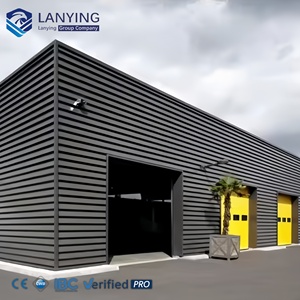
Prefabricated Steel Structure Logistics Warehouse Workshop
Turnkey commercial industrial building framework engineered for high-bay double deep racking configurations, overhead crane integration, and seismic compliance.
Engineered for high-cube optimization, industrial structural integrity, and multi-tier logistics handling. Explore our specialized warehouse racking and logistics installations.
Turnkey commercial industrial building framework engineered for high-bay double deep racking configurations, overhead crane integration, and seismic compliance.
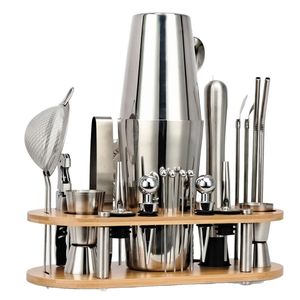
Precision food-grade stainless steel storage modules designed for sanitized storage, hospitality beverage distribution, and chemical washdown compliance.
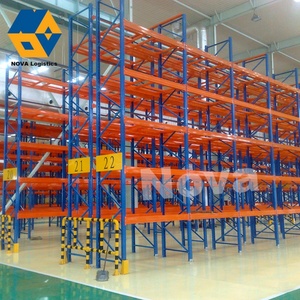
Robust high-yield Q355B cold-rolled steel pallet framework adaptable to selective and double deep configurations with up to 4500kg per shelf level rating.
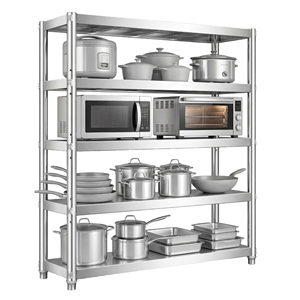
Corrosion-proof, high-load stainless steel modular shelving tailored for walk-in cold rooms, culinary supply chains, and zero-corrosion cleanrooms.
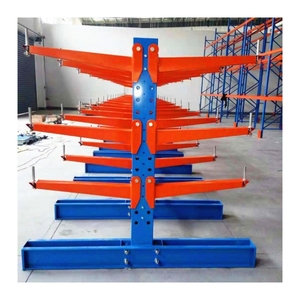
Freestanding structural column system eliminating front upright interference for raw bar stock, oversized steel tubing, timber, and heavy profiles.
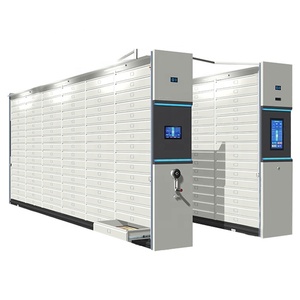
Motorized or mechanical track-guided mobile carriage system engineered to reduce document and parts footprint by up to 60% through a single movable aisle.
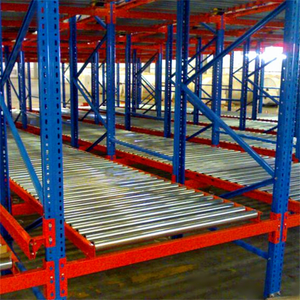
First-in First-out (FIFO) dynamic storage utilizing inclined brake roller tracks for maximum throughput in ambient and deep-freeze logistics terminals.
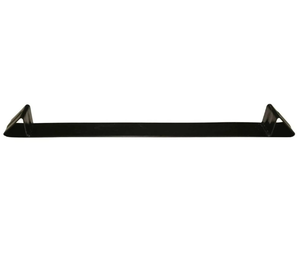
Certified steel coil transport stabilizing cradle for intermodal freight, flatbed logistics, and structural manufacturing stock transfer.
An authoritative industry review of structural density, reach pantograph kinematics, and footprint efficiency in high-throughput distribution hubs.
In modern industrial supply chain facilities, real estate expenditures and urban zoning constraints demand optimal volumetric utilization without catastrophic sacrifices in SKU selectivity. As a recognized global manufacturer and exporter backed by over 36 years of intralogistics engineering, our installations focus on mitigating spatial bottlenecks through engineered Double Deep Pallet Racking Systems.
Double deep racking increases pallet storage density by storing unit loads two pallet positions deep in a back-to-back arrangement (yielding a 4-pallet deep row between aisles) rather than single-deep selective arrays. This structural format eliminates 50% of the working access aisles required in standard selective configurations, elevating cube efficiency by 30% to 40% while preserving a manageable capital expenditure profile.
International turnkey racking projects executed across UAE, GCC, Europe, and Asia.
Net pallet capacity gained over conventional single-selective warehouse footprints.
Significant reduction in travel distances and aisle concrete slab construction costs.
Fully compliant with EN 15512, RMI, AS4084-2023, and FEM 10.2.02 load standards.
Strategic Intralogistics Note: Double deep racking operates predominantly under a Last-In, First-Out (LIFO) or batched First-In, First-Out (FIFO) material flow principle. It delivers the ultimate economic sweet spot for facilities managing multiple pallets per SKU (typically 2 to 10 pallets per batch), such as cold storage logistics, FMCG manufacturing, dry grocery consolidation, and regional distribution reserves.
Operational deployment of a double deep pallet rack demands specialized material handling equipment (MHE). Facilities utilize specialized pantograph double-reach trucks, telescopic deep-reach articulated forklifts, or reach trucks fitted with hydraulic fork extenders. Because reach pantographs extend heavy cantilever loads into the second rack bay, dynamic overturning moments on the truck mast increase significantly.
Our structural design team accounts for these dynamic variables by engineering high-strength upright cross-sections, enhanced floor anchor embedment depths, and widened baseplates that redistribute the localized post loads across the warehouse concrete slab, mitigating micro-cracking and slab punch deflection.
| Technical Parameter | Standard Selective Racking | Double Deep Pallet Racking | Drive-In Pallet Racking | Pallet Flow (Gravity FIFO) |
|---|---|---|---|---|
| Floor Area Utilization | 35% - 40% | 55% - 65% | 65% - 75% | 70% - 80% |
| Immediate Pallet Selectivity | 100% (Instant Direct Pick) | 50% (Pairwise Direct Access) | 15% - 20% (Lane Dependent) | 100% (Face Pick Only) |
| Stock Rotation Discipline | Strict FIFO | Batched FIFO / LIFO | Strict LIFO | Strict Dynamic FIFO |
| Required Forklift Fleet | Counterbalance / Reach Truck | Double-Reach Pantograph Truck | Narrow Reach / Counterbalance | Standard Counterbalance |
| Capital Investment per Pallet | Baseline Benchmark ($) | Moderate / Low ($$) | Moderate ($$$) | High Investment ($$$$) |
| Aisle Width Requirement | 2.8m - 3.4m | 2.7m - 3.1m | Drive-in lane (no internal aisles) | Loading & Unloading Aisles Only |
Every beam, column section, and connector bracket is certified against global structural dynamics, thermal contractions, and dynamic impact stress.
Manufactured from structural Q355B and S355JR structural coils, our continuous cold-formed uprights feature 50mm to 75mm adjustability pitches with multi-point interlocking beam claws that resist lateral torsional buckling.
Engineered to exceed EN 15512 standards with working deflection limits strictly held below L/200 under maximum safe working load (SWL), guaranteeing seamless insertion for second-depth pantograph reach operations.
Pre-treated with automated multi-stage degreasing and nano-ceramic zirconization, followed by thermosetting electrostatic polyester powder coat (60-80 microns) or continuous hot-dip galvanizing for cold storage longevity.
Market dynamics, supply chain shifts, and macroeconomic forces transforming the specification and acquisition of industrial storage infrastructure.
Procurement teams today operate in an economic environment characterized by sky-high industrial land leasing rates, energy inflation in temperature-controlled spaces, and volatile steel raw material indices. Consequently, procurement protocols are shifting from initial unit CapEx toward comprehensive Total Cost of Ownership (TCO) assessments.
The rapid expansion of biologics, pharmaceuticals, and frozen grocery distribution has triggered a seismic surge in double deep racking procurement. In sub-zero cold rooms (-25°C to -30°C), thermal loss and cubic refrigeration energy represent primary recurring operating expenses. Implementing double deep racking increases cold room pallet capacity by 35% without expanding the refrigerated architectural envelope, delivering dramatic thermodynamic payback inside 18 months.
Global procurement directors increasingly avoid fragmented vendor sourcing. Modern contracts encompass a unified EPC (Engineering, Procurement, and Construction) scope where a single accountable manufacturer provides structural simulation, CAD/BIM floor integration, rack manufacturing, automated sprinkler flue coordination, and mechanical site installation. Our 36-year operational legacy gives buyers the assurance of dealing with one single entity from site study through compliance handoff.
Environmental, Social, and Governance (ESG) compliance has entered industrial procurement mandates. Tier-1 multinational clients now require certified Low-Carbon Steel sourcing, recyclable packaging, and VOC-free powder finishes. By using precision structural roll-forming, our components reduce dead weight while increasing structural yield strength, drastically reducing the embodied carbon footprint per stored pallet position.

How digital twins, autonomous guided reach trucks (AGVs), and smart monitoring sensors are reshaping the double deep storage sector.
Modern double deep installations are increasingly interfaced with LiDAR-guided Autonomous Guided Reach Forklifts (AGVs). These automated vehicles employ precise 3D vision systems to eliminate driver positioning error in deep pallet insertion, mitigating mast deflection accidents.
Emerging smart racking architectures embed wireless strain-gauge sensors inside heavy load beams. These smart nodes continually stream real-time deflection and impact data to cloud-based Facility Maintenance Systems, alerting managers to overload situations before failure occurs.
3D Building Information Modeling (BIM) models allow seamless clash detection between double deep rack uprights, roof truss deflection tolerances, overhead HVAC trunking, and In-Rack ESFR Fire Sprinkler flues prior to on-site component fabrication.
Combining 36 years of Gulf and international installation pedigree with uncompromising production quality and certified engineering rigor.
Since the late 1980s, our engineering teams have pioneered high-density warehouse transformations across the Middle East, GCC, Africa, and international trade hubs.
We execute exhaustive data gathering on floor slab tolerances, SKU turnover velocity, fork reach parameters, and fire safety codes before drafting layout drawings.
All cold-rolled components undergo 100% magnetic particle testing, ultrasonic weld inspection, and load proof verification compliant with ISO 9001 and CE frameworks.
Strategically situated with advanced logistics packaging for break-bulk and sea container shipment, providing secure worldwide maritime distribution with zero transit damage.
Comprehensive technical and financial answers designed to assist project engineers, operations directors, and procurement managers.
Double deep racking places two standard pallet bays back-to-back, creating a 4-deep system between access aisles. By eliminating every second aisle required in a standard selective arrangement, aisle floor space is converted into revenue-producing storage. This layout routinely boosts cubic warehouse capacity by 30% to 40% within the exact same building perimeter.
Double deep setups require reach trucks fitted with pantograph scissor extensions, telescopic sliding forks, or articulated forklifts. Reach trucks must possess appropriate residual load capacity tables to handle extended-reach moments at top beam levels, typically requiring cameras and height selectors for operator ergonomics.
Double deep systems offer 50% immediate pallet selectivity. The front pallet position must be retrieved or temporarily repositioned before the back pallet can be accessed. For this reason, double deep racking is ideal for operations storing 2, 4, or more pallets per individual SKU, operating under paired batch rotations or LIFO inventory policies.
Because double deep racks store pallets two deep, local fire codes (NFPA 13 / FM Global) often require in-rack sprinkler lines inside the longitudinal flues between back-to-back pallets, especially for class III and IV commodities or heights exceeding 9 meters. Our engineering team incorporates factory-punched bracket provisions and pallet stops to safeguard sprinkler flues from pallet displacement.
While not universally mandatory, floor-mounted heavy steel guide rails or inductive wire guidance systems are strongly advised in narrow aisles. Because double-reach trucks operate with extended masts, floor guide rails reduce operator steering fatigue, accelerate travel speed, and protect upright columns against corner impact collisions.
Yes. However, because the rear beam cannot be clearly seen from the aisle floor, we equip double deep beam pairs with transverse pallet support bars, wire mesh decks, or pallet entry guide angles. These accessories guarantee that undersized, damaged, or plastic pallets remain securely supported across both load beams without slipping.
Every system is designed according to FEM 10.2.02, EN 15512, and RMI standards. Our structural engineers run Finite Element Analysis (FEA) computer simulations factoring in live pallet loads, dead weight, wind shear (for clad-rack buildings), and local ground acceleration coefficients (seismic zones) to determine column steel thickness, baseplate anchor counts, and portal bracing configurations.
Standard fabrication lead times average 4 to 6 weeks depending on project tonnage and customized surface coating specs. Export shipments are banded on heavy timber cradles with vapor-barrier protective wrapping and steel corner protectors to prevent transit vibration scuffing across maritime container routes.
Double deep racking represents an extremely cost-efficient capital outlay. While radio shuttle and automated ASRS systems offer slightly higher storage densities, their capital expense per pallet location can be 3x to 5x higher due to electronic shuttles, charging bays, and complex mechanical sensors. Double deep offers high-density storage using purely passive, zero-maintenance steel structures.
According to EN 15635 standards, facilities must conduct visual inspections weekly and an annual comprehensive audit by a certified storage system inspector. Key inspection criteria include beam deflection, safety lock pin presence, baseplate anchor tension, vertical upright plumbness, and paint or galvanization integrity, all supported by our lifetime aftermarket engineering support.