Multi-Tier Modular
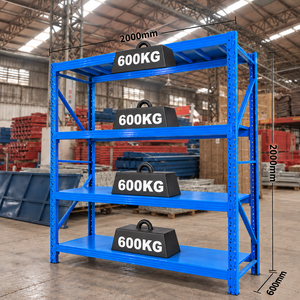

Engineered to international specifications (FEM 10.2.02, ANSI MH16.1, SEMA) featuring cold-rolled high-tensile steel, epoxy polyester coating, and reconfigurable multi-tier load arrays.
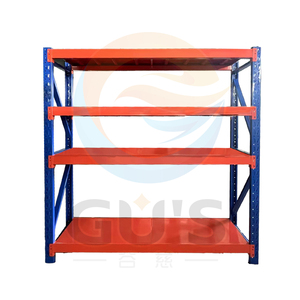
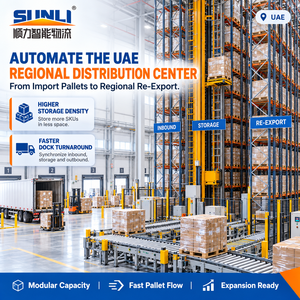
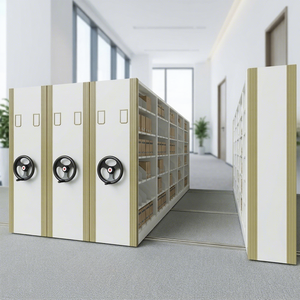
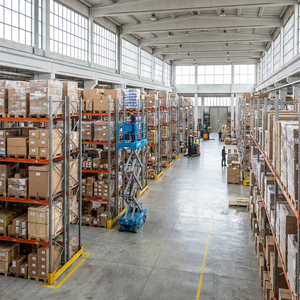
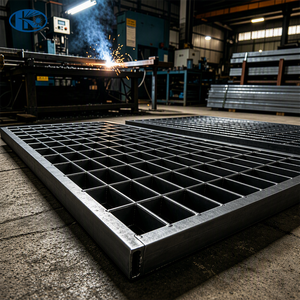
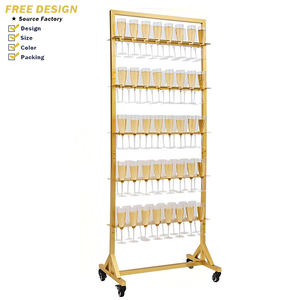
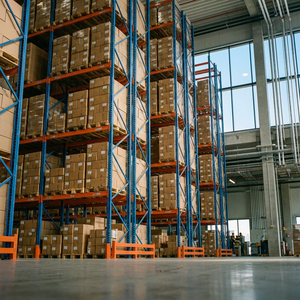
From our Hamriyah Free Zone engineering hub to global supply chain corridors, we deliver turnkey warehouse shelving systems verified by rigorous structural calculation, finite element analysis (FEA), and strict ISO9001:2015 quality controls.
We do not simply ship steel components. Every engagement initiates with an end-to-end site audit analyzing floor slab point loading, building clear height, MHE turning radii, and SKU velocity arrays to craft an optimized spatial architecture.
Engineered for harsh operating environments, from humid coastal hubs to sub-zero cold storage facilities. Components undergo continuous 7-stage chemical pre-treatment, zinc phosphating, and electrostatic powder coating cured at 200°C.
Every beam section and upright profile is structurally simulated against cyclic stress, horizontal displacement, and seismic shear in full conformance with international building codes (RMI MH16.1, EN 15512, and FEM 10.2.02).
An engineering comparison evaluating floor utilization, dynamic loading thresholds, modular reconfigurability, and amortization across modern fulfillment configurations.
| Storage System Type | Primary Unit Load Profile | Volumetric Efficiency | Selectivity & Access | Reconfiguration Flexibility | Ideal Logistics Scenario |
|---|---|---|---|---|---|
| Modular Longspan Shelving | 150kg – 800kg per Level (Manual) | High (Vertical Tiers) | 100% Direct Selective Access | Ultra-High (Boltless) | E-Commerce Picking, Spares, Retail DC |
| Selective Pallet Racking | 500kg – 2,500kg per Pallet | Medium (Aisle Dependent) | 100% Pallet Selectivity (FIFO) | Moderate (Requires Tooling) | Fast-Moving Consumer Goods (FMCG), 3PL Hubs |
| Drive-In / Drive-Through | 1,000kg – 1,800kg per Pallet | Maximum Cube Utilization | Batch / LIFO or FIFO Constrained | Low (Fixed Structural Rails) | Cold Storage, Homogeneous Bulk SKUs |
| Multi-Tier Mezzanine Platforms | 350kg – 1,200kg/m² Uniform Load | 200% - 300% Floor Area Gain | Multi-Level Manual & Conveyor | Modular Steel Frame | High-Ceiling Logistics Facilities, Archive Hubs |
| Mobile Compactor Systems | Light to Heavy Density Manual Loads | 85% Floor Footprint Gain | Single Moving Aisle Access | Track-Guided Modular | High Real-Estate Cost Urban Warehouses |
| Automated AS/RS Racking | High-Tolerance Automated Pallets/Totes | Maximum Vertical Density | Fully Automated Crane / Shuttle | Rigid Robotic Integration | Lights-Out Automated Distribution Facilities |
Technological convergence, automation integration, decarbonized steel mandates, and smart warehouse logistics are fundamentally reshaping global procurement criteria.
Traditional warehouse shelving relied entirely on human picker clearances. Modern procurement specifications now enforce micro-tolerances for floor deflection, upright plumbness (≤ 1:1000), and barcode fiducial tracking surfaces to accommodate Autonomous Mobile Robots (AMRs), Automated Guided Vehicles (AGVs), and goods-to-person shuttle integration. System modularity must allow rapid installation of robotic charging corridors and overhead drop-chute mechanisms without compromising primary rack rigidity.
Global logistics developers and multi-national corporations are mandating documented Environmental Product Declarations (EPDs) and low-embodied-carbon steel sourcing in compliance with European CBAM (Carbon Border Adjustment Mechanism) and LEED Green Building certification. Procurement teams increasingly prioritize manufacturers employing electric arc furnace (EAF) steel coils, zero-VOC powder formulations, and optimized nested component shipping packing that minimizes oceanic freight emissions.
The transition toward predictive warehouse safety is accelerating the integration of strain-gauge load cells, structural impact sensors, and optical tilt monitors directly into upright columns. These IoT-enabled modular uprights transmit real-time deflection and impact data to centralized Warehouse Management Systems (WMS), alerting facilities management to forklift collision stresses or localized beam overload events prior to catastrophic material failure.
Volatile global container freight rates and geopolitical disruptions have prompted corporate procurement divisions to reject bespoke, non-interchangeable shelving designs. Global enterprises now enforce standard pitch configurations (e.g., 50mm / 75mm teardrop and keyed upright profiles) and modular beam connectors that can be universally serviced, relocated, or augmented from regional inventory hubs without commissioning custom tooling runs.
How cutting-edge roll-forming precision, micro-alloyed metallurgy, and hybrid polymer coatings deliver superior strength-to-weight ratios in modular warehouse racking.
Modern modular systems transition away from heavy hot-rolled structural angles to high-strength, thin-walled cold-formed steel profiles (such as Q355B and high-yield cold-rolled SPCC). Continuous multi-stage roll-forming adds stiffening ribs, returns, and flanged perforations along the upright web, significantly enhancing sectional torsional resistance and post-buckling load capacity while reducing net structural steel tonnage by up to 22%.
For aggressive environments such as refrigerated cold storage (-30°C) or coastal Middle Eastern facilities subjected to airborne chlorides, continuous hot-dip pre-galvanized coils (Z275 coating mass) have surpassed field-painted steel. The sacrificial zinc layer self-heals minor scratches sustained during intensive pallet loading, eliminating sub-film oxidation and maintaining sanitary inspection standards required by food safety agencies.
Using 3D non-linear structural modeling, engineers compute exact stress distribution concentrations at the beam-to-column connector lock tab interfaces. By replacing traditional bolted connections with cold-stamped 3-to-5-prong claw brackets equipped with spring-loaded steel safety pins, modern modular systems resist severe dynamic dislodgement while streamlining installation velocity on multi-level sites.
Essential technical clarifications addressing load deflection tolerances, seismic compliance, floor slab load calculations, and global export shipping logistics.
Under international specifications (FEM 10.2.02 and ANSI MH16.1), the standard maximum allowable vertical deflection for horizontal shelf support beams under maximum rated design load is L/200, where L represents the clear span distance between upright columns (e.g., for a 2,700mm beam span, maximum deflection must not exceed 13.5mm). For automated AS/RS or fragile inventory racking, more rigorous criteria of L/300 or L/400 are systematically applied to preserve equipment clearance and balance.
An exhaustive system study requires: (1) Architectural CAD floor layout indicating clear unobstructed height to fire sprinklers and lighting fixtures; (2) Concrete slab compressive strength (e.g., C25/30 or C30/37), rebar placement, and slab thickness; (3) Material handling equipment (MHE) specification sheets detailing mast collapsed/extended height and aisle turning radiuses; (4) Pallet/box dimensions (W × D × H including overhang), tare weight, and center of gravity.
Teardrop configurations are predominantly favored throughout North American logistics corridors due to their universal interoperability and boltless wedge-locking gravity pins. Slotted and diamond-perforated uprights are heavily utilized across European and Asian engineering formats, delivering superior bilateral lateral stiffness and symmetrical side-to-side locking strength, making them optimal for multi-tier mezzanine platform framing.
In high seismic zones (IBC Seismic Design Categories D, E, and F), baseplates must be significantly enlarged and manufactured from heavy structural steel plate (e.g., 10mm–16mm thickness) with dual or quad wedge anchor bolts per column. Dynamic structural engineering models mandate these reinforced footings to dissipate cyclic ground acceleration forces into the concrete slab without shearing anchor studs or causing local column wall crippling.
Open-wire mesh decking (typically 50×100mm grid aperture) and galvanized open steel grating are preferred due to mandatory NFPA 13 and local civil defense fire protection codes. They permit uninhibited overhead sprinkler water penetration across every storage elevation while simultaneously allowing light illumination to lower picking tiers and preventing dirt and debris accumulation inside the flue space.
For ambient warehouses in coastal regions with elevated saline humidity (such as JAFZA, Sharjah HFZA, or coastal hubs), specifications should require a minimum 70–90 micron electrostatic thermoset polyester powder coating applied over automated zinc phosphating, or full continuous hot-dip galvanization conforming to ASTM A123 / ISO 1461, yielding 800+ hours of continuous salt spray corrosion resistance.
Rack-supported multi-tier shelving utilizes the vertical storage upright columns as the primary load-bearing structural pillars for intermediate walkway levels and catwalks. This approach reduces overall raw steel material costs by up to 35% compared to independent wide-flange structural steel mezzanines and dramatically accelerates installation schedules without requiring structural building modification permits.
Export components are banded in custom heavy-duty steel strapping bundles with protective timber dunnage and corner edge-guards. Uprights are nested alternately to maximize cubic container fill rates within 40ft High Cube containers. High-precision hardware, connectors, baseplates, and safety locking pins are packed in moisture-barrier sealed crates with desiccant packs to eliminate marine transit rust.
Connect directly with our senior structural storage engineers. Send us your building dimensions, pallet load matrix, and equipment profile for a comprehensive 2D/3D CAD layout optimization and turnkey manufacturing quote.