ISO 9001 Certified OEM/ODM Exporter · Sub-Zero Precision Engineering
Custom OEM Cold Room Shelving Suppliers & Exporter serving San Francisco
Seismic-Engineered, NSF-Grade Stainless & PP Modular Storage Solutions Tailored for Northern California Cold Logistics, Biotech Cleanrooms, and Food Processing Facilities.
36+
Years Engineering Expertise
-40°C
Sub-Zero Thermal Tolerance
Zone 4
California CBC Seismic Rating
100%
NSF / ASTM Direct Factory QC
Direct-From-Factory Solutions
Engineered Racking & Cold Shelving Systems for San Francisco Facilities
Manufactured under strict ISO quality standards to endure sub-zero temperatures, condensation moisture, and high-frequency pallet retrieval across the Bay Area cold chain network.
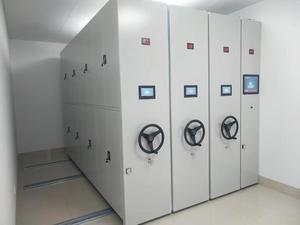
Mobile rail-guided compact racking engineered for space-constrained South San Francisco biotech cryogenic cold vaults and cleanroom documentation rooms.
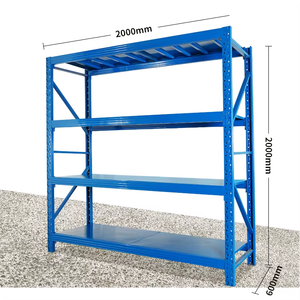
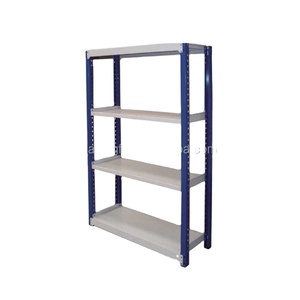
Modular longspan steel cold storage racks with slotted uprights, ideal for walk-in coolers, bulk grocery staging, and pharmaceutical cartons in coastal SF facilities.
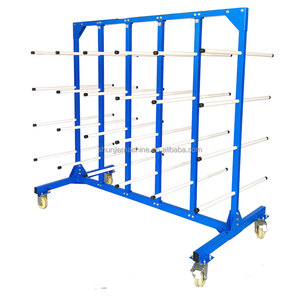
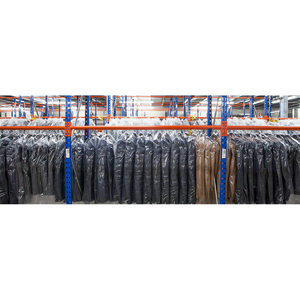
Heavy-gauge mobile cantilever cart designed for long profiles, tubing, and food-grade extrusion trays inside blast freezing tunnels and commercial cold facilities.
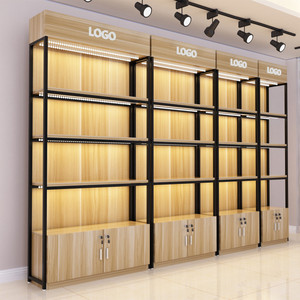
Specialized hybrid wood-steel displays treated with moisture-resistant resins for organic wine chillers, gourmet specialty produce, and San Francisco grocers.
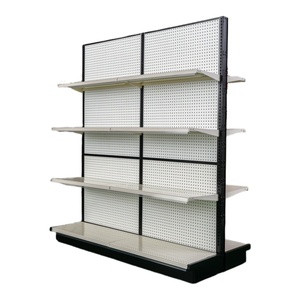
Compliant with USA retail specifications, these heavy-duty gondolas feature antimicrobial powder coatings for open-deck dairy and beverage display refrigeration.
Multi-tier structural pallet racking engineered with ductile structural steel for frozen food 3PL distribution centers in Hayward, Richmond, and Oakland.
Precision laser-cut stainless steel cabinetry, thermal locker housings, and pass-through cold chambers fabricated for SF Bay Area cleanroom cold chains.
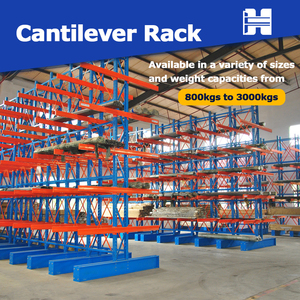
Hot-dip galvanized heavy-duty cantilever systems built for raw cold storage, maritime marine staging at the Port of San Francisco, and heavy long-goods storage.
Operating a refrigerated or blast-freezer warehouse in the San Francisco Bay Area requires tackling two severe engineering challenges: cold-induced steel embrittlement and catastrophic seismic accelerations from the San Andreas and Hayward faults.
Ductile Cold-Tough Steel Metallurgy
Standard carbon steel undergoes a Ductile-to-Brittle Transition Temperature (DBTT) when exposed to sub-zero temperatures (-18°C to -40°C), where minor forklift impacts trigger catastrophic cleavage cracking. Our cold room shelving utilizes fine-grain micro-alloyed structural steels (equivalent to ASTM A572 Grade 50) with Charpy V-notch impact toughness certified to maintain ductility down to -45°C.
Charpy V-notch verified toughness at -40°F
ASTM A123 Hot-Dip Galvanizing ≥ 85 μm thickness
Anti-microbial thermal powder coat (NSF approved)
California CBC & RMI Seismic Compliance
San Francisco falls squarely within California Seismic Design Category D, E, and F. In refrigerated facilities where slab thermal insulation creates unique anchorage challenges, our engineering team supplies custom baseplates, heavy seismic bracing, and specialized concrete anchoring (ICC-ES approved mechanical and chemical anchors) calculated to satisfy 2022 California Building Code (CBC) and RMI/ANSI MH16.1 standards.
Stamped structural PE calculations available upon request
Condensation & NSF Hygiene Engineering
Cold rooms experience cyclic condensation during defrost periods and air exchange via rapid-roll freezer doors. In food processing and pharmaceutical distribution, standing moisture breeds Listeria and causes peeling coatings. We offer perforated polypropylene (Winshelving PP style) ventilated shelf panels and electropolished AISI 304/316 stainless shelving with fully open channels to optimize air circulation and eliminate water pooling.
Perforated shelf surfaces: 65% free airflow
Removable dishwasher-safe polymer traverses
FDA and USDA Title 21 food contact compliant
Performance Parameter
Generic Commodity Shelving
Standard Cold Storage Rack
Our OEM Cold Room Custom Systems
Operating Temperature
+10°C to +40°C (Ambient)
0°C to -10°C (Cooler only)
-45°C to +80°C (Blast Freeze & Autoclave)
Seismic Engineering (SF / Bay Area)
Unrated / Light Footplate
Basic Static Calculations
CBC 2022 Certified / PE Stamped
Corrosion Resistance (Marine Coastal)
Single-dip Wet Paint (15-20 μm)
Standard Powder Coat (40 μm)
ASTM A123 Galvanized or 304/316 Stainless
Condensation & Airflow Design
Solid Steel Decking (Traps Ice)
Wire Mesh (Prone to Weld Rust)
Perforated Polypropylene / Open Tubular Beams
NSF Sanitation / Washdown
None
Partial Food-Safe
NSF Standard 2 & FDA Washdown Compliant
Bay Area Context
Localized Application Scenarios Across San Francisco & Silicon Valley
Bay Area industrial facilities face soaring real estate leasing rates and strict environmental zoning. Our custom cold storage racks solve footprint constraints across Northern California's key commercial sectors.
South San Francisco
Biotech & Life Sciences Cold Repositories
Oyster Point and Gateway Boulevard research campuses require GMP-compliant cold rooms holding clinical-trial reagents, enzymes, and temperature-sensitive biologicals at -20°C and -80°C. Our electro-polished stainless steel and high-density mobile archive racks ensure zero particulate shedding, antimicrobial compliance, and maximize valuable cleanroom footprints.
Key Engineering Features:
Electropolished SS316, particulate-free sealed bearings, and mobile rail systems doubling storage per square foot.
Port of SF & Fisherman's Wharf
Seafood Processing & Blast Freezing
Marine logistics near Pier 45 face heavy coastal humidity and saline washdown chemicals. Commercial seafood processors rely on our hot-dip galvanized longspan racks and mobile cantilever freezing carts that withstand relentless salt spray, corrosive brines, and daily high-pressure chemical sanitization without structural degradation.
Key Engineering Features:
Hot-dip galvanized to ASTM A123 (>85 μm zinc), drainage channels, and sub-zero swivel casters for tunnel mobility.
Oakland & East Bay Hubs
3PL Cold Distribution & Port Logistics
Distribution centers along the I-880 and I-80 corridors serve as Northern California's cold logistics gateway. We engineer heavy-duty selective and drive-in pallet racking with dynamic seismic uprights capable of storing thousands of frozen food pallets under strict California Title 24 energy-efficiency mandates.
Key Engineering Features:
Ductile structural steel columns, heavy roll-formed baseplates, and high-cube drive-in configurations for FMCG.
SF Urban Centers & Peninsula
Micro-Fulfillment & Dark Stores
Dense urban retail hubs in Downtown SF, SOMA, and Mission Bay require fast-picking cold rooms for instant grocery delivery and meal-prep operations. Our modular Winshelving PP food racks and slotted-angle systems maximize ceiling heights in tight retrofitted retail spaces with zero wasted cubic volume.
Bay Area Cold Chain Trends: Energy Codes, Seismic Retrofits & Automation
The Northern California warehousing landscape is undergoing unprecedented regulatory transformation. Here is how modern facility directors navigate procurement in 2025 and beyond.
California Title 24 Energy Efficiency Directives
Refrigerating industrial space is one of the highest operating expenses in California. Under Title 24 Part 6 building energy standards, warehouse operators must minimize total refrigerated air volume per SKU. Our high-density compact mobile racking and push-back cold systems increase cubic storage density by 45% to 80%, substantially reducing the active cooling volume and cutting compressor kilowatt-hour power draw.
Slashes thermal dissipation losses per pallet
Facilitates laminar airflow around inventory
Supports LEED-certified warehouse retrofits
Seismic Hardening of Aging Peninsula Warehouses
Much of San Francisco's and Brisbane's industrial building stock consists of tilt-up concrete structures dating back several decades with unreinforced slab foundations. Installing modern heavy cold shelving demands engineering expertise in post-installed anchoring to prevent slab spalling. We offer custom engineered spread footplates and load distribution grade beams that satisfy municipal building inspections without requiring deep foundation repours.
Low-embedment seismic epoxy anchorage options
Engineered for thin or post-tensioned slabs
Full structural calculation review for city permits
Semi-Automated AGV & Shuttle Cold Warehousing
With Northern California labor rates continuing to climb, operators are transitioning from manual reach trucks to automated guided vehicles (AGVs) and radio shuttle systems inside cold storage vaults (-25°C). Our custom OEM manufacturing precisely controls steel dimensional tolerances (±0.5mm), beam deflection ratios, and entry guide rail geometries necessary for smooth automated shuttle docking.
Precision CNC punched uprights for exact levelness
Integrated optic reflector and bumper mounts
High-cycle durability under continuous robotics operation
Enterprise Authority
Our Proven 5-Step Turnkey Export & Engineering Process
Backed by over 36 years of international storage engineering excellence, our turnkey workflow ensures end-to-end reliability from initial CAD layout to final Port of Oakland delivery and installation.
01
System Study
We analyze facility clear heights, slab PSI ratings, thermal envelopes, handling equipment, and seismic zones (CBC 2022) to establish exact load profiles.
02
Layout & FEA
CAD and Finite Element Analysis (FEA) model rack performance under dynamic earthquake loads, cold thermal contraction, and continuous picking cycles.
03
OEM Fabrication
High-precision laser cutting, cold forming, automated robotic welding, and ASTM-certified hot-dip galvanizing inside our modern production infrastructure.
04
Port Logistics
Moisture-barrier containerized sea freight dispatched directly to the Port of Oakland or Port of San Francisco with full customs, bond, and bill of lading support.
05
Assembly & Signoff
Detailed engineering schematics, torque specifications, seismic anchor inspection protocols, and certified load capacity plaques provided for local inspectors.
Procurement FAQ
Frequently Asked Questions for San Francisco Buyers & Engineers
Everything you need to know about structural certifications, sub-zero finishes, lead times to the Bay Area, and custom OEM manufacturing capabilities.
How do you guarantee cold room shelving won't crack or fail at sub-zero temperatures (-20°F to -40°F)?
Standard low-grade commercial steel becomes brittle at sub-zero temperatures through micro-cleavage grain fracture. We mitigate this by using high-strength low-alloy (HSLA) structural steels with specified chemistry (low carbon, high manganese) and mandatory Charpy V-Notch impact testing at -40°F. This guarantees the steel retains adequate plastic deformation capacity to safely absorb dynamic forklift shocks and seismic vibrations without sudden rupture.
Can you provide PE-stamped structural calculations compliant with San Francisco building permits?
Yes. For projects across the City and County of San Francisco, San Mateo, Alameda, and Santa Clara counties, we partner with licensed California Professional Structural Engineers (PE) to provide stamped calculations and anchor bolt layout reviews complying with the 2022 California Building Code (CBC), ASCE 7-16/7-22, and RMI ANSI MH16.1. This ensures smooth plan-check approval with local municipal building departments.
Which finish is recommended: Hot-Dip Galvanized, Stainless Steel, or Powder Coated?
For blast freezers and raw seafood staging areas subject to salt brine washdowns (like Fisherman's Wharf), Hot-Dip Galvanizing (ASTM A123) is the gold standard because it metallurgically bonds zinc to steel. For pharmaceutical cleanrooms and bio-repositories in South San Francisco, electro-polished 304 or 316 Stainless Steel is required for aseptic washdowns. For standard walk-in dry coolers, our anti-microbial epoxy-polyester powder coat provides cost-effective condensation resistance.
What is the typical shipping lead time to the Port of Oakland for custom OEM orders?
Standard custom fabrication requires 2 to 4 weeks depending on order scope and steel finishing (such as hot-dip galvanizing batches). Ocean freight from our global export manufacturing facility to the Port of Oakland or Port of San Francisco generally takes 18 to 26 days on direct Pacific routing. We handle comprehensive export packing, anti-humidity desiccant container lining, and coordinate with your local drayage freight forwarder for direct site offloading.
How do your shelving systems support California Title 24 cold warehouse requirements?
California Title 24 mandates high thermal envelope efficiency and reduced refrigeration loads. By utilizing our high-density mobile compactors or narrow-aisle drive-in cold racking, facilities can store up to 85% more volume within the same refrigerated footprint. This maximizes cooled volumetric space, eliminates unneeded dead aisles, and reduces evaporator run-times and compressor power demand by up to 25% annually.
Are your shelf surfaces removable and compliant with NSF Standard 2 sanitization?
Yes. Our food-service cold room shelving lines (including our Winshelving polymer series) incorporate modular polypropylene and polyethylene ventilated shelf inserts. These snap out easily and can be run through commercial chemical dishwashers at temperatures up to 180°F. The ventilated louvers provide 65% open surface area, allowing optimal 360-degree cold air circulation around stored produce, meat, and dairy.
Can you manufacture custom dimensions to fit existing walk-in freezer boxes?
Custom OEM/ODM manufacturing is our core strength. Because walk-in coolers in converted San Francisco brick buildings or historic warehouses often feature non-standard ceiling clearances, column intrusions, and floor drainage pitches, we manufacture upright posts, shelf beams, and mobile carriages in exact 25mm (1-inch) increments to fully maximize every available inch without dead space.
What documentation and factory QC reports do you provide with each export shipment?
Every commercial export order includes comprehensive Quality Assurance documentation: Mill Test Certificates (MTC) proving steel chemical composition and yield strengths, Charpy V-Notch low-temperature impact test data, Galvanizing Coating Thickness inspection sheets (per ASTM A123), powder coating adhesion cross-hatch reports, and dimensional inspection sign-offs before container sealing.
Plan Your San Francisco Cold Storage Facility with Proven Engineers
Submit your warehouse CAD drawings, ceiling heights, temperature parameters, and load requirements. Our structural storage consultants will prepare an optimized 2D/3D space layout and factory-direct OEM pricing quote within 24 business hours.