Gravity Flow Racks Manufacturers & Exporters in the Barcelona market
High-Density First-In, First-Out (FIFO) Dynamic Roller Systems Engineered for Catalonia’s Key Logistics Corridors, Cold-Chain Port Terminals, and Automotive Manufacturing Nodes
Export-Grade Warehouse Racking Solutions
High-Performance Storage Systems for Barcelona Industry
Manufactured to rigid European structural tolerances (UNE-EN 15512), our heavy-duty product series equips distribution centers in Zona Franca, Baix Llobregat, and El Vallès with maximum dynamic load capabilities.
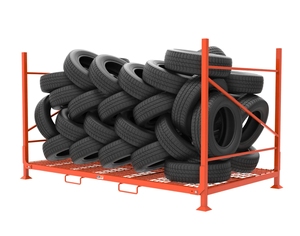
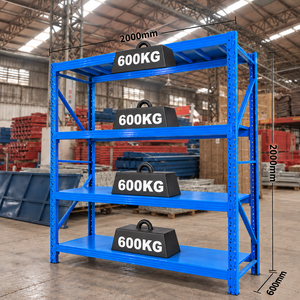
Modular demountable post design optimized for automotive tire distribution hubs around Martorell and Zona Franca. High-density stackability with certified dynamic load safety.
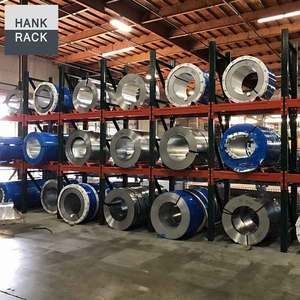
Heavy structural Q235 steel coil cradles designed for metallurgical facilities in the Besòs and Baix Llobregat corridors. Protects slit coils while preventing floor surface indentation.
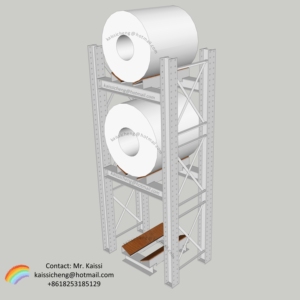
Engineered saddle profiles engineered to stabilize rolling heavy cylindrical inventory. Integrates seamlessly with overhead crane picking and heavy counterbalanced forklifts.
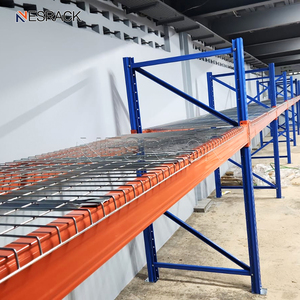
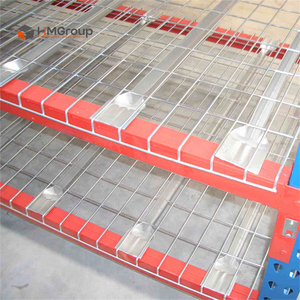
Self-draining zinc-electroplated wire decking satisfying Barcelona municipal industrial fire safety codes (CTE DB-SI). Allows ceiling sprinkler water penetration throughout deep tiers.
Perimeter containment and rack safety backstops engineered to arrest dropped cartons in dynamic pick tunnels and gravity discharge lanes along elevated picking mezzanines.
Versatile frame system effortlessly retrofitted with inclined roller tracks for fast-moving split-case picking in Barcelona omnichannel fulfillment operations and spare-part centers.
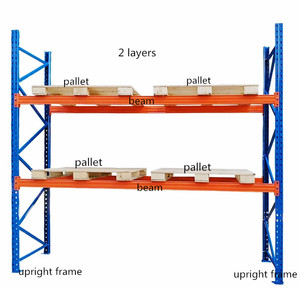
High-yield boxed step beams supporting gravity roller beds with heavy point loads. Finished with epoxy-polyester electrostatic powder coating for abrasive maritime atmospheres.
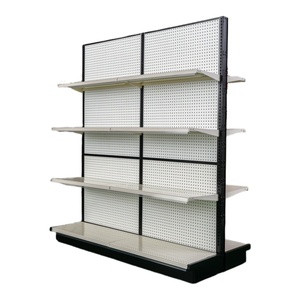
Front-of-house and back-of-store intermediate staging units designed for supermarket chains across Catalonia, balancing structural rigidity with aesthetic merchandising display.
Optimizing Warehouse Dynamics in the Barcelona & Catalonia Logistics Hub
An engineering analysis of high-density dynamic storage, space scarcity along the Mediterranean Corridor, and structural compliance under European Standard EN 15512.
The Greater Barcelona metropolitan area and the wider Catalonia logistics corridor—stretching from the Port of Barcelona (ZAL Port) through the Baix Llobregat, El Vallès Occidental, and into the AP-7 motorway spine connecting Spain to mainland Europe—represent one of the most geographically strategic, yet spatially constrained, warehousing markets in Southern Europe.
With prime industrial real estate lease prices in Barcelona's first logistics ring consistently trending upwards, facility managers and logistics operators cannot afford excessive empty operating aisles. Conventional static racking configurations dedicate upwards of 55% to 65% of warehouse floor footprint solely to forklift access lanes. For companies operating temperature-controlled environments (such as Mercabarna food logistics terminals), rapid-turnover pharmaceutical hubs, or high-cadence automotive assembly staging for facilities near Martorell, static aisle footprints represent massive operational overheads.
This is where Gravity Flow Racking Systems—commonly referred to in European intralogistics as dynamic live pallet storage (racks dinámicos por gravedad)—provide the decisive competitive advantage. Utilizing engineered roller tracks set at a precise 3% to 4% incline, gravity flow racks leverage natural gravitational kinetic energy to transport pallets or carton containers from the rear replenishment face to the front extraction face on a strict First-In, First-Out (FIFO) inventory discipline. By eliminating intermediate forklift aisles, a dynamic pallet flow block can double storage density within identical cubic dimensions while cutting internal transit cycle times by up to 40%.
Mechanical Anatomy of Industrial Gravity Flow Systems
A reliable, export-grade pallet flow system requires sophisticated kinetic management to ensure pallet safety, structural stability, and equipment longevity. Our manufacturing process incorporates precision-engineered mechanical components designed to withstand rigorous, continuous industrial cycles:
Full-Width Cylindrical Rollers
Cold-drawn zinc-galvanized steel rollers equipped with dual-sealed precision ball bearings. Specially configured for standard Euro-pallets (800x1200mm) and ISO industrial pallets (1000x1200mm), ensuring smooth track movement even under heavy or slightly deflected bottom boards.
Heavy-Duty Dynamic Tracks
Centrifugal Brake Rollers
Mechanical speed controllers spaced intermittently throughout deep lanes (typically every 1 to 2 pallet depths). These internal centrifugal brakes regulate pallet velocity to a controlled 0.2 to 0.3 m/s, preventing dangerous acceleration surges regardless of load weight differences.
Velocity Containment
Automatic Load Separator Mechanisms
Pneumatic or mechanical extraction separators positioned at the pick face. The separator isolates the front discharge pallet from the cumulative line pressure of rear queued pallets, ensuring the forklift operator can lift the lead load without friction binding or dangerous rebound.
Pressure Decoupling
Self-Centering Entry Guides
Heavy-gauge flared entry funnels positioned at the loading face. These guide forklift operators during pallet insertion, ensuring unit loads enter precisely centered on the dynamic track centerline to eliminate skewing and premature flange wear.
Operator Alignment
High-Yield Q235B Uprights
High-tensile cold-rolled steel structural uprights with continuous omega-profile punchings. Engineered to withstand high horizontal impacts, shear loads, and the unique longitudinal dynamic thrust forces generated during gravity lane deceleration.
Structural Integrity
Localized Application Scenarios Across Catalonia's Core Sectors
Warehouse racking in northeastern Spain is not a generic commodity. Industrial operations across Catalonia demand specialized engineering adaptations to match local logistical frameworks, pallet standards, and building codes.
Mercabarna & Cold Storage Logistics
In the intensive chilled and deep-freeze facilities of Mercabarna and surrounding coastal distribution centers, refrigeration energy costs represent up to 40% of overhead. Gravity pallet flow racks provide maximum cubic compaction, minimizing cooled airspace volume. By operating purely on gravity, they emit zero ambient heat inside cold chambers (-25°C), while their strict FIFO flow prevents product expiration of dairy, fresh produce, and seafood.
Sub-Zero Reliability
Martorell & Automotive Supply Clusters
The automotive industrial ecosystem clustered around Martorell, Sant Esteve Sesrovires, and the Zona Franca industrial estate relies on exacting Just-in-Time (JIT) and Just-in-Sequence (JIS) line feeding. Gravity flow racks fitted with heavy-duty tire storage modules, stamped metal bin lanes, and steel coil cradles enable tier suppliers to queue heavy components directly adjacent to production docks without risking wrong-batch staging.
JIT Component Staging
Penedès Wine & Cava Cellars
Catalonia's renowned wine and cava producers throughout the Alt Penedès region require gentle, climate-resilient storage for palletized glass bottles and riddling crates. Our gravity flow systems are outfitted with dampening polyurethane-coated roller sleeves and ultra-smooth start-up inertia bearings, eliminating sharp pallet impacts and micro-vibrations that could damage sealed vintages during aging or packaging rotation.
Vibration-Damped Handling
Omnichannel Fulfillment: El Prat & Vallès
High-cadence 3PL facilities in El Prat de Llobregat, Granollers, and Barberà del Vallès leverage multi-tier carton flow pick tunnels (dinámica de cajas) integrated into structural mezzanine structures. Replenishers stock cartons from the rear corridor while pickers execute paperless pick-to-light fulfillment from the front face, completely decoupling forklift transit from human pedestrian picking.
Pick-Tunnel Integration
Comparative Systems Engineering: Dynamic Flow vs. Static Racking
To assist European procurement directors and project engineers in specifying the optimal pallet density architecture, the following engineering matrix compares Gravity Flow Racks against alternative high-density configurations commonly installed in the Iberian market:
The deployment of heavy industrial racking in Catalonia requires strict adherence to European and Spanish structural safety norms. Racking frames are not merely static metal shelves; they are load-bearing steel building structures that must comply with:
UNE-EN 15512:2020 Compliance
European Standard for steel static storage systems and adjustable pallet racking. Our finite element analysis (FEA) accounts for dynamic impact factors, asymmetric pallet distribution across lane beds, and longitudinal beam deflection limits strictly restricted below L/200.
Structural Calculation
Seismic Engineering: Eurocode 8
While Catalonia is classified as moderate-to-low seismic risk under Spanish seismic code NCSE-02, modern intralogistics specifications in industrial parks bordering the Pyrenean fault zone mandate dynamic seismic calculation under UNE-EN 16681, incorporating seismic baseplates and heavy diagonal bracing.
Seismic Proofing
Decarbonization & AGV Synergy
With Barcelona’s aggressive municipal climate targets and the electrification of industrial fleets, passive gravity flow storage has emerged as the premier green automation technology. Modern installations are increasingly engineered with precision stop tolerances to support direct loading and unloading via Autonomous Mobile Robots (AMRs) and Automated Guided Forklifts (AGVs).
Combining 36 years of industrial manufacturing pedigree with high-capacity steel fabrication, certified quality controls, and precision global export packaging.
36 Years of Manufacturing Mastery
Over three and a half decades of hands-on structural engineering experience. Having installed heavy-duty storage configurations across rigorous international climates, our designs withstand abusive warehouse environments without structural degradation.
Proven Reliability
ISO 9001 Certified Metallurgy
Fabricated exclusively from premium certified Q235B cold-rolled structural steel. Uprights, boxed step-beams, and roller tracks undergo rigorous ultrasonic weld testing, tensile yield verifications, and automated electrostatic powder coating.
Certified Raw Materials
Port-to-Port Direct Maritime Export
Headquartered in premier export manufacturing zones with deep-water container terminal access, we provide dedicated sea-freight container consolidation direct to the Port of Barcelona (Moll de Ponent / ZAL Port), ensuring streamlined customs clearance and competitive shipping rates.
Direct Mediterranean Shipping
Our Turnkey 5-Stage Project Methodology
Every installation across Catalonia follows our verified 5-stage project execution framework, guaranteeing technical precision from building slab evaluation to final handover:
Step 01
System Study
Detailed analysis of clear building height, slab load ratings (kN/m²), pallet dimensions, pallet bottom-board configuration, and daily SKU velocity.
Step 02
Layout & Simulation
CAD engineered lane modeling, roller pitch calculations (3.5% incline default), brake roller positioning, and dynamic throughput simulations.
Laser-guided alignment, anchoring to high-strength concrete with chemical expansion bolts, and precise incline calibration across deep lanes.
Step 05
Load Signage & Handover
Full commissioning test with actual customer pallets, dynamic safety audits, installation of UNE-EN 15635 load notice plaques, and operator training.
Procurement Intelligence
Frequently Asked Questions by Barcelona Logistics Buyers
Detailed technical answers addressing floor slab tolerances, pallet quality constraints, temperature durability, and structural standards in the Spanish market.
?
Why are Barcelona warehouse operators switching from drive-in racks to gravity flow racks?
While Drive-In racking offers high cubic storage density, it suffers from two major operational handicaps: strict LIFO (Last-In, First-Out) stock access and the necessity for forklift trucks to physically enter the narrow structural lanes. In fast-paced distribution operations—such as food hubs in Mercabarna or e-commerce centers in El Prat—forklift collisions inside drive-in racks cause frequent upright damage and dangerous cycle delays. Gravity flow racks completely eliminate internal lane travel. Forklifts operate exclusively in two external aisles (one loading face, one picking face). This decoupled layout cuts collision risks by 90%, reduces pallet handling cycle times by up to 40%, and guarantees strict FIFO inventory rotation essential for date-sensitive and perishable inventory.
?
Can your gravity flow racks handle standard EPAL Euro-pallets with bottom boards in any orientation?
Standard Euro-pallets (800 x 1200 mm) have five top deck boards and three bottom skids. For smooth dynamic flow, pallets should ideally travel along the direction of their bottom skids (running parallel to lane rollers). When Euro-pallets must travel with their bottom boards perpendicular to the dynamic tracks, standard twin-track skate wheels will cause bottom-board deflection and stalling. To resolve this, our engineering team supplies full-width heavy cylindrical steel rollers or multi-track three-rail configurations equipped with continuous roller beds. We conduct physical testing on sample pallets to verify that deflection does not exceed 3 mm, ensuring zero stoppage across deep 10-to-20 pallet lanes.
?
How do speed controller rollers prevent heavy pallets from colliding with picked pallets?
In deep gravity flow lanes (ranging from 4 to 20 pallets deep), a 1,000 kg pallet traveling down a 3.5% incline accumulates substantial kinetic energy. If unrestricted, it would strike the discharge face at excessive speed, damaging goods and risking rack structural fatigue. To prevent this, our systems incorporate centrifugal magnetic brake rollers mounted flush along the track bed at calculated intervals (every 1 to 2 pallet positions). As the pallet rolls over the brake roller, an internal gear-and-flyweight mechanism expands friction pads proportionally to the rotational speed. This dynamically throttles pallet movement to a steady, controlled velocity of 0.25 meters per second, regardless of whether the pallet weighs 250 kg or 1,200 kg.
?
What European and Spanish safety standards do your storage installations adhere to?
Every racking system exported to the Spanish market is designed, engineered, and load-tested in strict compliance with European Committee for Standardization (CEN) codes: UNE-EN 15512:2020 (Racking Steel Static Storage Systems - Calculation rules), UNE-EN 15620 (Tolerances, deformations and clearances), UNE-EN 15629 (Specification of storage equipment), and UNE-EN 15635 (Application and maintenance of storage equipment). Furthermore, steel fabrication matches Eurocode 3 (UNE-EN 1993-1-3) for cold-formed thin-gauge members, with seismic resilience calculated under Eurocode 8 (UNE-EN 1998-1) and the Spanish national seismic code NCSE-02 where mandated by regional building permits.
?
How do temperature fluctuations in cold rooms (-25°C) affect dynamic rollers and lubricant viscosity?
Standard commercial grease-packed bearings congeal and seize up when exposed to sub-zero temperatures, causing dynamic gravity rollers to freeze and pallets to stall halfway down the lane. For deep-freeze logistics centers in Catalonia, we specify specialized low-temperature synthetic lubricants rated to -35°C, or seal-less precision stainless steel bearings. Furthermore, roller tubes and shafts are treated with hot-dip galvanization or high-micron electro-galvanization to withstand condensation cycles during defrost intervals, preventing structural corrosion and surface rust from creating rolling friction.
?
What concrete floor slab specifications and flatness tolerances are required for dynamic flow?
Gravity flow racks concentrate immense point loads through their baseplates, as deep multi-tier lanes consolidate heavy pallet queues across a compact footprint. In general, an industrial floor slab must provide a minimum compressive capacity of 25 to 30 MPa and a dynamic bearing resistance of at least 50 to 75 kN per upright baseplate. In terms of floor flatness, installations must comply with European standard DIN 18202 (Table 3, Group 4) or British Standard BS 8204 Class FM2. While minor floor slopes can be compensated for during upright erection using calibrated high-tensile steel shims, excessive undulations can alter the gravity track's critical 3.5% incline and compromise lane flow consistency.
?
How does pallet flow compare against automated Radio Shuttle carts in total cost of ownership (TCO)?
Automated Radio Shuttle systems utilize motorized carts to transport pallets along internal storage channels. While shuttles offer flexibility between FIFO and LIFO in ultra-deep blocks, they carry a high initial capital expenditure (CapEx) and recurring maintenance overheads: lithium-ion battery degradation, complex electronic sensor maintenance, motor burnout, and operational downtime whenever a shuttle malfunctions inside an elevated channel. Gravity flow racks, by contrast, are 100% mechanical and passive. They consume zero electrical power, have no motors or circuit boards to replace, and operate continuously 24/7 with minimal mechanical upkeep. Over a 10-year operating horizon, gravity flow systems frequently deliver a significantly lower TCO and higher operational availability.
?
What role does the pick-face mechanical separator play in operator safety?
When a gravity lane is fully loaded with fifteen 1,000 kg pallets, the combined gravitational thrust pushing down on the front discharge pallet can exceed 500 to 750 kg of lateral line pressure. If an operator attempts to lift the front pallet while it is under this load pressure, the pallet will bind against the uprights, damage the pallet boards, or violently jerk forward when extracted. Our mechanical separator automatically engages when the front pallet reaches the discharge stop, physically locking back the secondary queue of pallets 150 mm behind it. Only after the forklift has cleanly lifted and backed away with the front load does the separator mechanism trip, allowing the subsequent pallet to advance safely.
?
Can custom dynamic lanes be adapted for non-palletized cargo like coils, tires, or containers?
Yes. Beyond standard wooden Euro and ISO pallets, our manufacturing facility engineers customized dynamic tracks for specialized industrial geometries. In automotive tire distribution centers, we supply dual-channelling roll tracks that cradle automotive tires in rolling sequence. For metallurgical coil storage, we build heavy-gauge structural saddles and curved skate tracks with integrated mechanical catches capable of buffering slit coils up to 5,000 kg per position. For split-case picking and container handling, we engineer lightweight aluminum carton-flow beds (roldanas de plástico) that drop directly into standard longspan shelving beams.
?
What is the standard production and shipping lead time for projects delivering to Barcelona?
Following technical approval of CAD layouts and engineering calculations, standard factory manufacturing for a 1,000-to-5,000 pallet position gravity flow installation takes approximately 4 to 6 weeks. Direct maritime container transit from our port manufacturing hub to the Port of Barcelona (Terminal de Catalunya / Terminal BEST) typically spans 16 to 22 days on direct liner services. All shipments are packed into 40ft High Cube containers using heavy timber dunnage, anti-scratch corrugated interleaving, and moisture-barrier shrink-wrapping to ensure structural components arrive completely undamaged and immediately ready for site erection.
Ready to Engineer Your High-Density Dynamic Storage Solution?
Contact our senior logistics applications team today. Share your building plans, ceiling heights, pallet parameters, and SKU velocity data. Our engineers will provide a complete CAD layout study, static calculation summary, and a competitive manufacturing & export quotation delivered directly to your Barcelona facility.